
Offset Printing
A Beginner’s Guide to Offset Printing
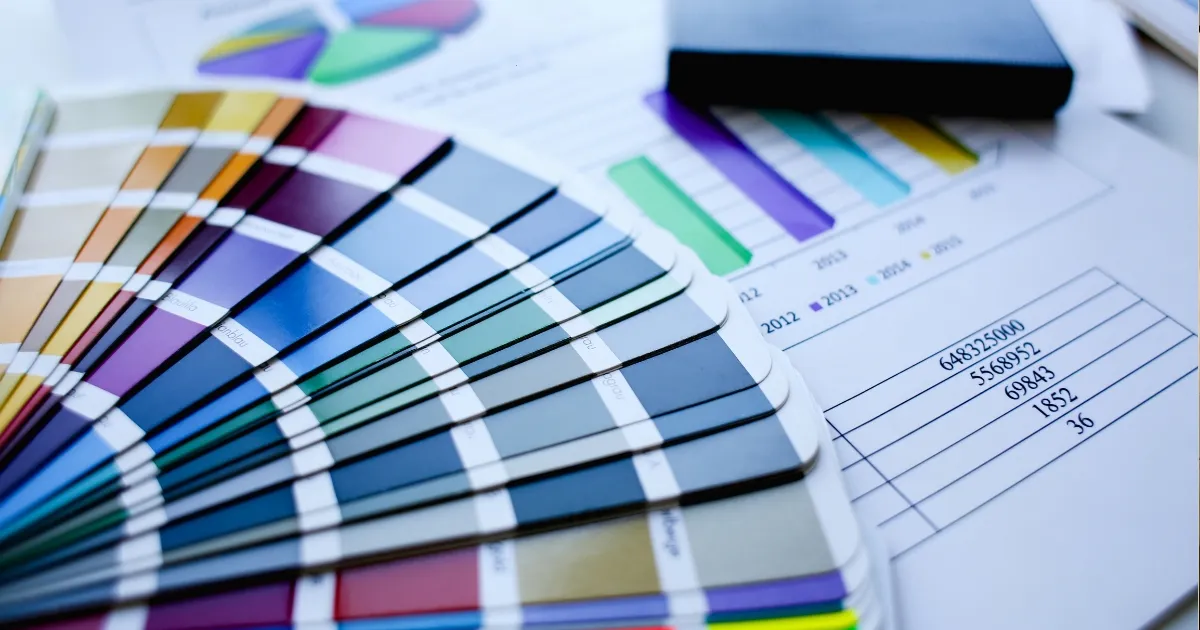
Offset printing, also known as offset lithography, is a popular printing technique used for high-volume commercial printing. It has been a cornerstone of the printing industry for decades, offering unmatched quality and versatility. If you’re new to the world of printing or considering offset printing for your next project, this guide will walk you through everything you need to know.
What is Offset Printing?
Offset printing is a process where ink is transferred from a metal plate to a rubber blanket, then to the printing surface. Unlike digital printing where images are directly transferred to paper, offset printing uses this indirect method, making it ideal for large-scale projects like newspapers, magazines, books, and brochures.
How Does Offset Printing Work?
- Prepress Preparation: Offset printing begins with creating metal plates from digital artwork. Each colour requires a separate plate, and these plates transfer the image onto the printing surface sequentially.
- Inking: The plates are dampened and then inked. The ink adheres only to the image areas on the plates, which are oil-based, while the non-image areas attract water, ensuring clean, crisp printing.
- Transfer: The inked image is transferred first from the plate to a rubber blanket cylinder, and then from the blanket to the printing surface, typically paper.
Advantages of Offset Printing
Offset printing offers several advantages that make it a preferred choice for many businesses:
- High Image Quality: It produces sharp and clean images with vibrant colours and accurate details.
- Cost-Effectiveness: Economical for large print runs due to lower unit costs as quantity increases.
- Versatility: Suitable for a wide range of printing surfaces and materials, including paper, cardboard, plastic, and metal.
- Consistency: Ensures consistent high-quality results throughout the print run.
Limitations of Offset Printing
While offset printing is highly effective for many applications, it also has some limitations:
- Setup Time: Initial setup can be time-consuming, making it less suitable for small print runs.
- Cost for Small Runs: Unit costs are higher for smaller quantities due to setup and plate costs.
- Not Ideal for Variable Data: Each piece in the print run is identical, making it less suitable for personalised or variable data printing.
Common Applications of Offset Printing
Offset printing is widely used for:
- Books and Magazines: Offers excellent quality and consistency for large print runs.
- Brochures and Catalogues: Ideal for marketing materials requiring high-quality images and text.
- Newspapers: Cost-effective for large volumes with consistent results.
Environmental Considerations
Offset printing traditionally uses oil-based inks and involves more setup materials, but advancements in eco-friendly practices are making it more sustainable. Look for printers using vegetable-based inks and sustainable paper options to reduce environmental impact.
Choosing Offset Printing for Your Project
Offset printing remains a cornerstone of the printing industry for its exceptional quality, versatility, and cost-effectiveness for large print runs. Understanding its process and advantages can help you make informed decisions for your printing needs, ensuring professional results that meet your expectations.