Printing Solutions
Choosing the Right Printing Method for Your Project
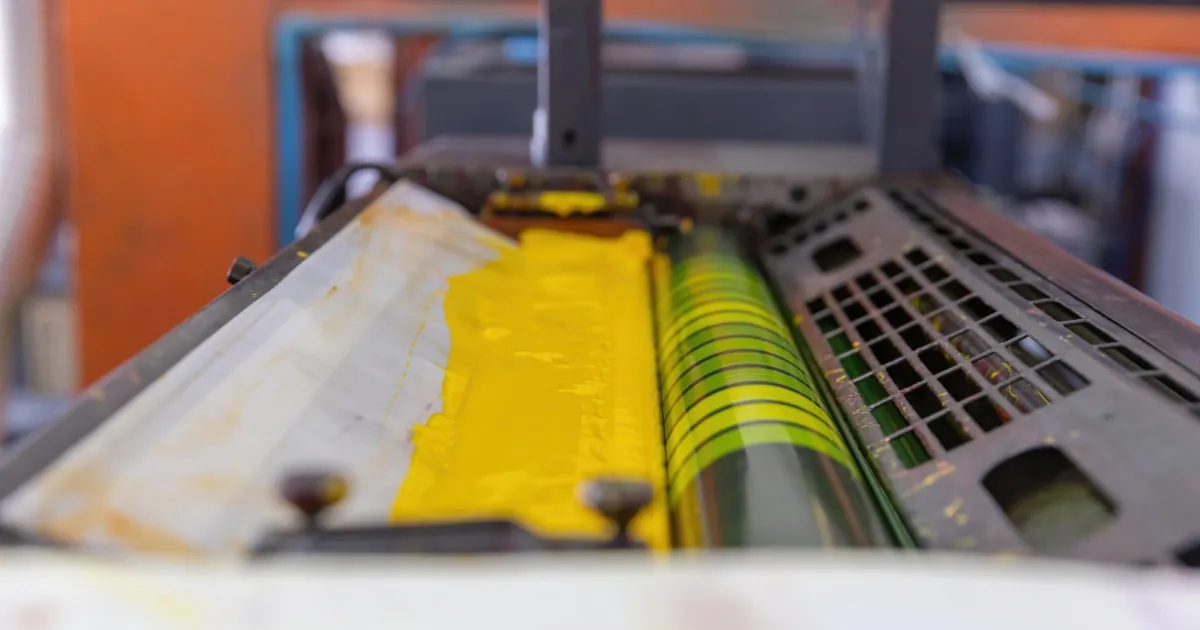
Selecting the appropriate printing method is crucial to achieving the desired quality, cost-effectiveness, and overall success of your project. This guide explores different printing methods available today, factors to consider when choosing, and how to match the method to your specific project requirements.
Understanding Different Printing Methods
- Offset Printing: Ideal for high-volume projects such as books, magazines, and brochures. It involves transferring ink from a metal plate to a rubber blanket, then to the printing surface. Offset printing offers excellent colour fidelity and is cost-effective for large print runs.
- Digital Printing: Suitable for short print runs and personalised printing. Digital printers apply toner or ink directly onto the substrate from digital files, eliminating the need for plates and allowing for variable data printing. It offers quick turnaround times and cost-effective solutions for small batches.
- Flexographic Printing: Commonly used for packaging materials, labels, and newspapers. Flexography uses flexible relief plates and fast-drying inks to transfer images onto various substrates. It’s known for its high-speed production capabilities and ability to print on non-flat surfaces.
- Screen Printing: Ideal for printing on fabrics, apparel, and promotional items. Screen printing involves pushing ink through a stencil onto the substrate using a mesh screen. It’s versatile and allows for vibrant colours and special effects but may not be cost-effective for large areas or complex designs.
Factors to Consider When Choosing a Printing Method
- Quantity: For large quantities, offset printing often provides lower per-unit costs due to economies of scale. Digital printing is more cost-effective for small to medium print runs.
- Quality Requirements: Consider the level of detail and colour fidelity required for your project. Offset printing generally offers higher resolution and colour accuracy compared to digital printing, especially for large-scale productions.
- Turnaround Time: If your project has tight deadlines or requires on-demand printing, digital printing’s quick setup and print capabilities may be more suitable than offset printing’s longer setup times.
- Substrate Compatibility: Different printing methods work best with specific substrates. For instance, flexographic printing is well-suited for packaging materials, while digital printing can handle a wide range of substrates including paper, cardboard, and certain plastics.
Matching Printing Methods to Project Types
- Marketing Collateral: Brochures, flyers, and posters often benefit from digital printing’s ability to produce small quantities quickly and cost-effectively, ideal for targeted campaigns.
- Books and Magazines: Offset printing remains the preferred choice due to its ability to produce consistent, high-quality results over large print runs.
- Packaging: Flexographic printing is commonly used for packaging materials such as labels, tags, and boxes, thanks to its ability to print on various substrates and handle high-speed production.
Environmental Considerations
When choosing a printing method, consider its environmental impact:
- Sustainability: Digital printing generally produces less waste and consumes less energy compared to traditional offset printing. Look for printers using eco-friendly inks and practices to minimise environmental footprint.
Making the Right Choice for Your Print Project
Choosing the right printing method involves evaluating your project’s specific needs, including quantity, quality, substrate compatibility, and timeline. By understanding the strengths and considerations of each printing method, you can ensure your print materials meet your objectives effectively and efficiently.