
Business Cards
Design Tips for Effective Business Cards
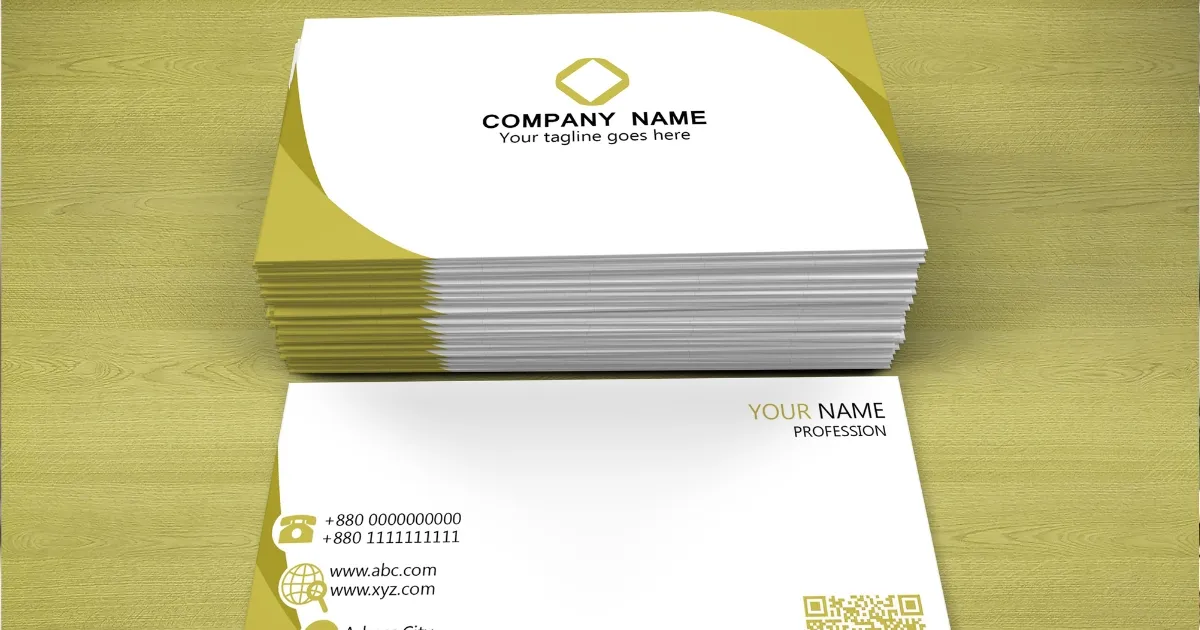
Business cards remain a fundamental tool for networking and leaving a lasting impression on potential clients and contacts. This guide provides practical design tips to ensure your business cards effectively represent your brand and communicate key information.
Understanding the Purpose of Your Business Card
A well-designed business card serves multiple purposes: it introduces your brand, communicates your contact details, and reflects your professionalism. Understanding these roles is crucial when planning your card’s design.
Key Elements of a Business Card
- Brand Identity: Your business card should reflect your brand’s visual identity, including colours, fonts, and logo. Consistency with other marketing materials reinforces brand recognition.
- Contact Information: Include essential contact details such as your name, job title, phone number, email address, and website. Ensure this information is clear and easy to read.
- White Space: Utilise white space effectively to enhance readability and avoid clutter. A clean design with sufficient breathing room around elements makes your card more visually appealing.
Choosing the Right Design Elements
- Typography: Select easy-to-read fonts that align with your brand’s personality. Use hierarchy to emphasise important details like your name or company name.
- Colour Scheme: Choose colours that complement your brand and evoke the right emotions. Consider using contrasting colours for text and background to ensure readability.
- Images and Graphics: Incorporate visuals sparingly and purposefully. Your logo or a relevant icon can enhance visual appeal, but avoid overcrowding the card with unnecessary graphics.
Layout and Composition Tips
- Hierarchy: Arrange information in order of importance. Your name or company name should stand out, followed by contact details and other relevant information.
- Balance: Achieve visual balance by distributing elements evenly across the card. Ensure no section feels overloaded with information or empty.
- Size and Shape: While standard business card dimensions are common, consider unconventional shapes or sizes that align with your brand’s identity, keeping practicality in mind.
Practical Considerations
- Print Quality: Choose a reputable printing service and high-quality materials to enhance the look and feel of your business card. Texture and finish can also add a tactile element.
- Versatility: Ensure your business card design works well in both print and digital formats. Consider how it will appear when scanned or photographed digitally.
Making a Lasting Impression
A well-designed business card is more than just a piece of contact information, it’s a reflection of your professionalism and attention to detail. By following these design tips, you can create business cards that leave a positive and memorable impression on recipients.
Crafting Your Perfect Business Card
Crafting an effective business card involves careful consideration of design elements, practicality, and brand representation. With these tips, you can create business cards that not only communicate your information but also enhance your professional image and make a lasting impact.