Digital Printing
How Digital Printing Revolutionised the Industry
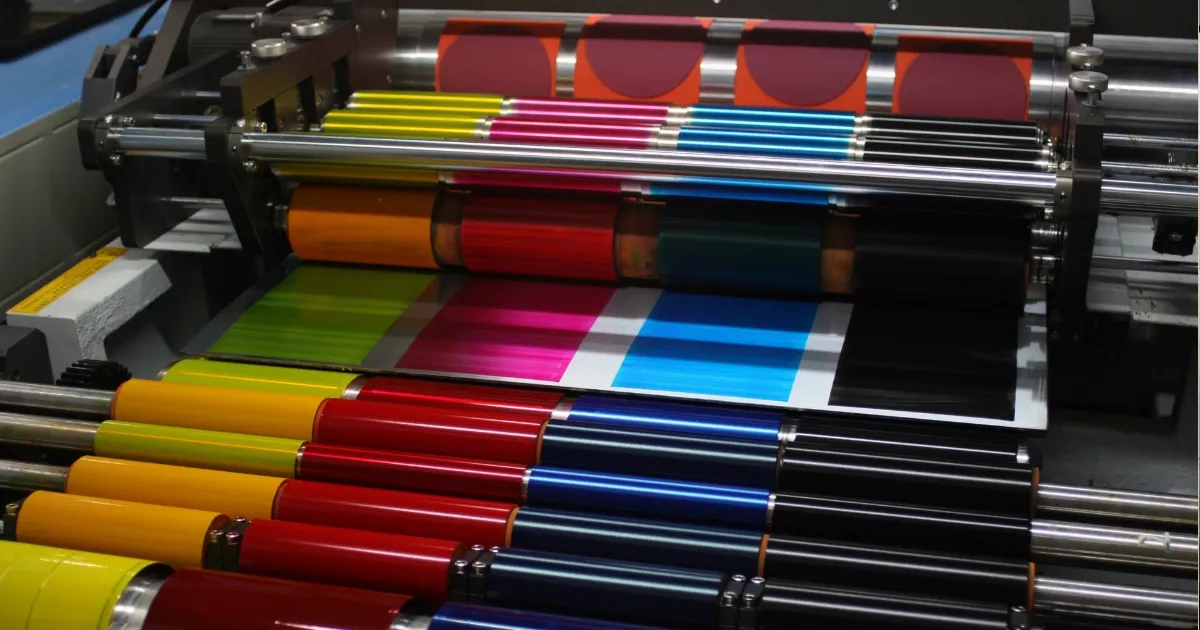
Digital printing has transformed the printing industry, offering unparalleled flexibility, speed, and quality compared to traditional printing methods. This article explores the evolution of digital printing, its impact on the industry, and why it has become a game-changer for businesses worldwide.
The Rise of Digital Printing Technology
Digital printing emerged in the late 20th century as a revolutionary alternative to offset and other traditional printing methods. Unlike offset printing that requires plates and setup, digital printing involves direct transfer of digital files to print media. This shift eliminated the need for extensive setup times and allowed for on-demand printing, marking a significant shift in the industry.
How Digital Printing Works
- Direct Transfer Process: Digital printing involves sending digital files directly to the printing machine, which interprets the data and applies ink or toner onto the substrate (paper, fabric, etc.).
- Variable Data Capability: Unlike offset printing, digital printing allows for variable data printing, where each piece can be personalised with unique text, images, or codes, ideal for targeted marketing and personalised communications.
- No Plate Requirements: Digital printing eliminates the need for plates, reducing setup costs and making it more cost-effective for short print runs.
Advantages of Digital Printing
Digital printing offers several key advantages that have reshaped the printing industry:
- Quick Turnaround: Ideal for on-demand printing with minimal setup time, making it suitable for urgent projects.
- Cost-Effective for Short Runs: Lower setup costs and no minimum print volume requirements make digital printing economical for small batches.
- High Quality and Accuracy: Advanced digital technologies ensure precise colour matching and sharp image resolution.
- Customisation and Personalisation: Enables variable data printing, allowing businesses to tailor each piece to individual recipients for targeted marketing campaigns.
Impact on Design and Creativity
Digital printing has empowered designers and marketers with new creative possibilities:
- Short-Run Prototyping: Allows for cost-effective testing of designs and concepts before committing to larger print runs.
- Design Flexibility: Easy integration of custom graphics, variable text, and images without additional setup costs encourages creativity.
- Faster Iterations: Rapid printing and adjustments facilitate quicker design iterations and campaign refinements.
Sustainability and Environmental Considerations
Advancements in digital printing technologies have also improved environmental sustainability:
- Reduced Waste: Digital printing minimises setup waste and allows for printing only what is needed, reducing overall waste.
- Energy Efficiency: Modern digital printing machines are more energy-efficient compared to traditional printing presses.
Applications Across Industries
Digital printing has found widespread applications across various industries:
- Marketing and Advertising: Personalised direct mail campaigns, brochures, and promotional materials.
- Publishing: On-demand book printing and customised textbooks.
- Textiles: Digital fabric printing for apparel, home furnishings, and interior decor.
Embracing the Digital Printing Era
Digital printing has revolutionised the printing industry by offering speed, flexibility, and customisation capabilities that were previously unimaginable. Businesses can now execute targeted marketing strategies, produce high-quality materials on demand, and explore new creative avenues with ease.