
Digital Printing
Print vs. Digital: When to Choose Each Medium
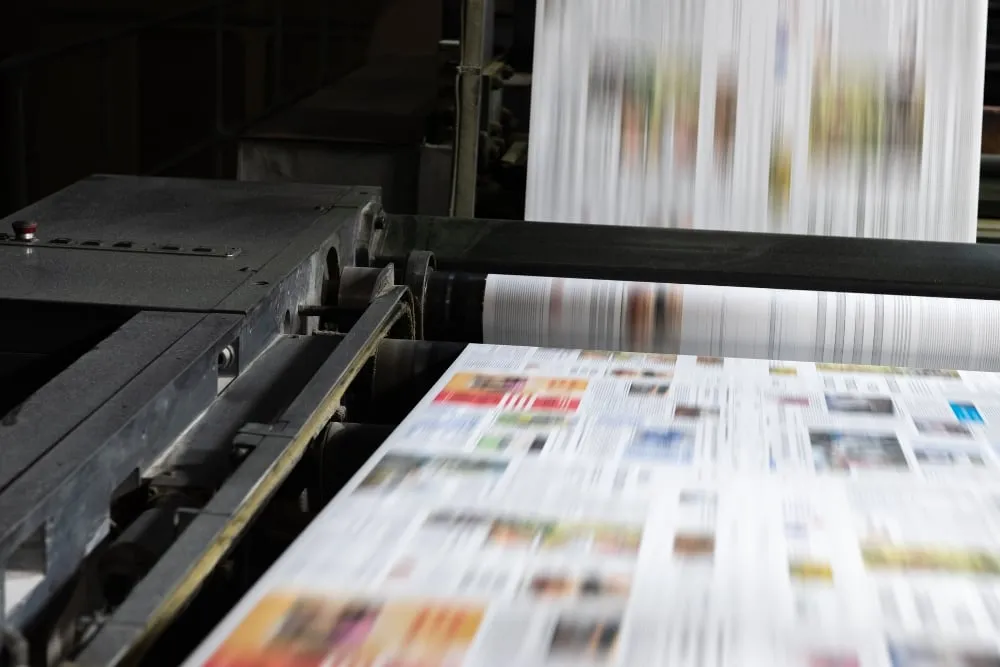
In today’s fast-paced world, the choice between print and digital mediums is more relevant than ever. Whether you’re a business owner, a marketer, or simply someone looking to communicate effectively, understanding when to use each medium can make a significant difference. Let’s delve into the nuances of print versus digital, exploring the unique benefits and ideal scenarios for each.
The Tangibility of Print
Print media offers a tactile experience that digital formats simply can’t match. A well-crafted brochure or business card provides a physical item that people can hold, touch, and keep. This tangibility often makes print more memorable. For instance, high-quality printed materials can leave a lasting impression, enhancing your brand’s credibility and professionalism. When it comes to direct mail campaigns or promotional materials for trade shows, print often stands out more than digital counterparts.
The Reach of Digital
On the flip side, digital media boasts unparalleled reach and immediacy. With the internet at our fingertips, digital content can be disseminated to a global audience instantly. Social media platforms, email marketing, and websites offer cost-effective ways to reach large numbers of people. This immediacy is particularly advantageous for time-sensitive promotions or updates. For example, digital ads can be quickly adjusted based on real-time performance data, something print can’t offer.
Cost Considerations
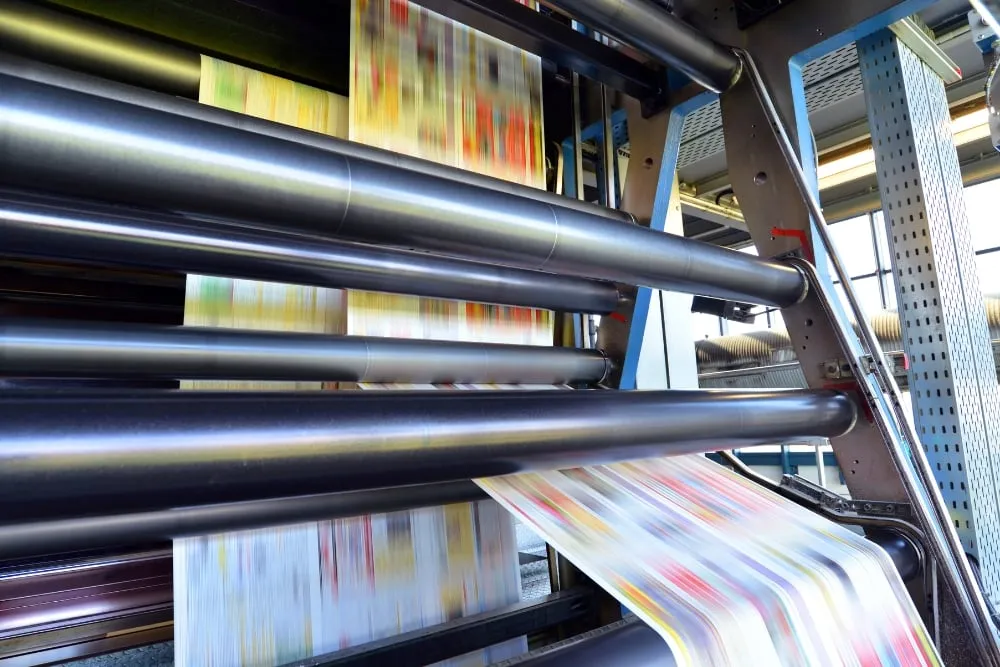
Cost is a significant factor in deciding between print and digital. Print materials often require upfront costs for design, printing, and distribution. For large-scale print runs or high-quality finishes, these costs can add up. Conversely, digital content generally has lower initial costs. While there may be ongoing expenses for website maintenance, digital campaigns often prove more affordable, especially for reaching larger audiences.
Longevity vs. Ephemerality
Print materials have a certain longevity; they can be kept for reference or display for a long time. A well-designed annual report or a stylish catalogue can continue to provide value long after its initial distribution. Digital content, however, can be ephemeral. While it can be updated and repurposed, online posts or emails may be quickly forgotten as they get buried under a flood of new content. However, the ease of archiving digital content means it can be accessed whenever needed.
Engagement and Interaction
Digital media excels in engagement and interaction. Interactive elements such as videos, links, and clickable buttons enhance the user experience, driving more dynamic interactions. For instance, a digital ad can lead users directly to a landing page, or an email can include interactive surveys. Print media, while often less interactive, can drive engagement through its design and quality, encouraging readers to take specific actions, such as visiting a store or attending an event.
Brand Consistency
Both print and digital mediums contribute to brand consistency, though in different ways. Print materials offer a tangible representation of your brand’s look and feel, from letterhead and brochures to packaging. Consistent use of colours, fonts, and logos helps reinforce your brand’s identity. Digital platforms, meanwhile, provide opportunities for continuous brand presence and messaging across various online channels. Ensuring consistency in both realms helps build a cohesive brand image.
Analytics and Tracking
Digital media provides robust analytics and tracking capabilities, allowing you to measure performance and adjust strategies in real time. Metrics such as click-through rates, engagement levels, and conversion rates offer valuable insights into what’s working and what isn’t. Print media lacks this level of tracking, making it harder to gauge effectiveness. However, with proper design and distribution strategies, print can still be effective and measurable through methods like QR codes and promotional codes.
Environmental Impact
Environmental considerations also come into play when choosing between print and digital. Digital media generally has a lower environmental footprint since it doesn’t involve paper production or physical distribution. However, the energy consumption of data centres and electronic devices can be substantial. Print media can be more environmentally friendly when using recycled materials and sustainable practices. Balancing these factors can guide you towards a more eco-conscious choice.
Customisation and Personalisation
Print media allows for a high degree of customisation and personalisation. Custom-designed brochures or direct mail pieces can be tailored to specific audiences or individual recipients. This level of detail can make print materials feel more personal and engaging. Digital media also offers personalisation through targeted ads and email campaigns, but the tactile nature of print can often create a stronger connection.

Choosing the Right Medium for Your Needs
Deciding between print and digital ultimately depends on your specific needs and goals. Consider factors such as your target audience, budget, and the nature of your message. For instance, if you’re launching a high-profile product or event, a combination of both print and digital media might be the most effective approach. Using each medium strategically ensures that you leverage their strengths to achieve the best results.
Print and Digital: Harmonise for Success
In the end, the choice between print and digital isn’t always about one being better than the other but rather how to harmonise both mediums to achieve your objectives. By understanding the strengths of each and applying them strategically, you can create a comprehensive communication strategy that maximises impact and engagement. Embrace the unique benefits of print and digital to create a balanced approach that resonates with your audience and enhances your brand’s presence.